

Unlocking Astaxanthin’s Potential: Insights from Iconthin Biotech
What is Astaxanthin
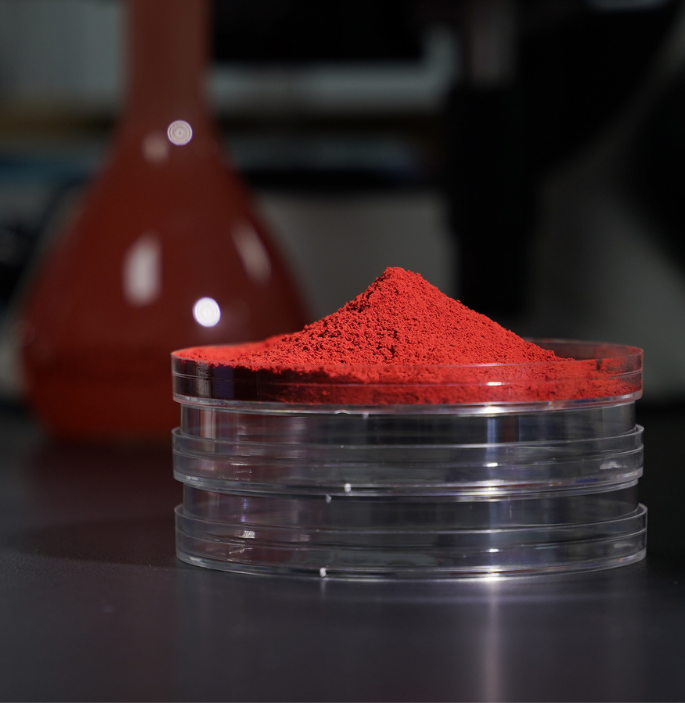
Astaxanthin is a naturally occurring carotenoid pigment primarily produced by the microalga Haematococcus pluvialis. It is widely recognized as one of the most powerful natural antioxidants and is responsible for the red coloration found in salmon, shrimp, and other marine organisms that accumulate it through their diet. Natural astaxanthin has gained significant attention in the nutraceutical, cosmetic, and aquaculture industries for its stability and biological activity.
Unlike synthetic alternatives, natural astaxanthin derived from microalgae exists in a unique molecular form that contributes to its strong antioxidant properties. Research has shown that astaxanthin can help neutralize free radicals and support cellular health by protecting lipids, proteins, and DNA from oxidative stress.
Due to these properties, natural astaxanthin is widely used in dietary supplements, functional foods, skincare formulations, and aquaculture feed. As demand grows for sustainable and naturally sourced ingredients, microalgae-derived astaxanthin has become a preferred solution for manufacturers seeking high-quality antioxidant ingredients.
Health Benefits of
Purity
Stability
Easy Production
Sensory
Lowest contaminants possible. Plasticizers simply aren't there.
Independent mass-spectrometry screening shows plasticizers and other process contaminants commonly found in market astaxanthin are not detected in AlgaeAsta. Cleaner input means cleaner label claims and fewer regulatory headches.
Typical Market Astaxanthin
Endocrine-disrupting plasticizers commonly leached from packaging and processing equipment.
Commonly Detected
AlgaeAsta®
Astaxanthin
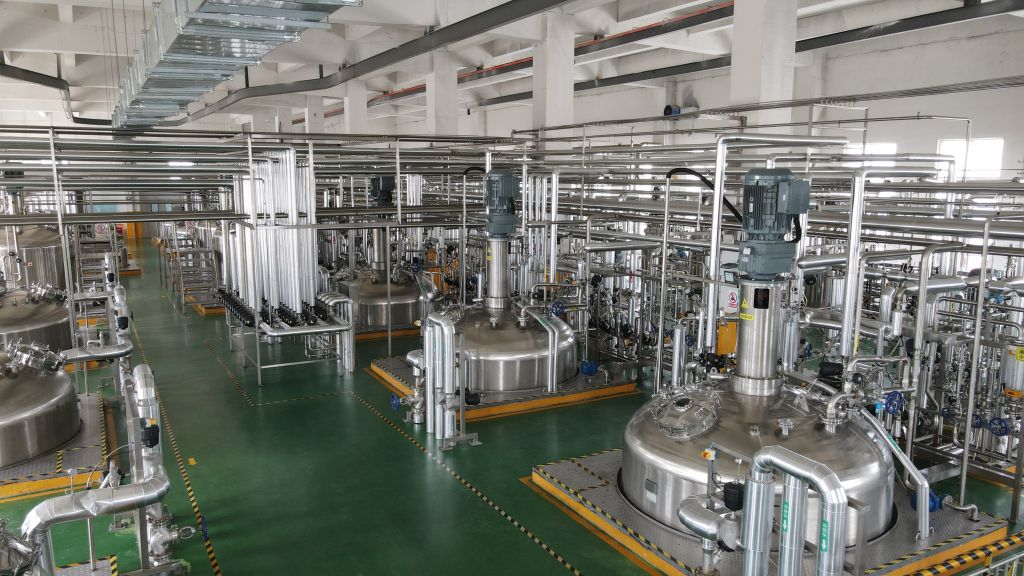
3rd-generation closed bioreactors + supercritical CO2 extraction leave nothing behind but the molecule.
Not Detected
Independent mass-spectrometry screening shows plasticizers and other process contaminants commonly found in market astaxanthin are not detected in AlgaeAsta. Cleaner input means cleaner label claims and fewer regulatory headches.
Typical Market Astaxanthin
Combustion byproducts often introduced during solvent-based or high-heat extraction.
Frequently Present
AlgaeAsta®
Astaxanthin
3rd-generation closed bioreactors + supercritical CO2 extraction leave nothing behind but the molecule.
Not Detected
Independent mass-spectrometry screening shows plasticizers and other process contaminants commonly found in market astaxanthin are not detected in AlgaeAsta. Cleaner input means cleaner label claims and fewer regulatory headches.
Typical Market Astaxanthin
Lead, arsenic, cadmium and mercury accumulated from open-pond cultivation water.
Trace to Elevated
AlgaeAsta®
Astaxanthin
3rd-generation closed bioreactors + supercritical CO2 extraction leave nothing behind but the molecule.
Below LOQ
Independent mass-spectrometry screening shows plasticizers and other process contaminants commonly found in market astaxanthin are not detected in AlgaeAsta. Cleaner input means cleaner label claims and fewer regulatory headches.
Typical Market Astaxanthin
Ethanol, hexane and acetone residues left behind by traditional solvent extraction.
Detectable
AlgaeAsta®
Astaxanthin
3rd-generation closed bioreactors + supercritical CO2 extraction leave nothing behind but the molecule.
Zero Residue
98% esterification. More stable astaxanthin, by nature of bonds.
Our astaxanthin oleoresins are extracted from Haematococcus pluvialis microalgae and are available in 5% and 10% concentrations. These food-grade products are perfect for use in dietary supplements and functional foods.
Our 2% microencapsulated powder is cold water dispersible, suitable for vegan products and is food-grade, providing an easy-to-use option for dietary supplements, functional foods, and drink powders.
Our 1% nano-encapsulated emulsion is available in both food and cosmetic grade, ensuring versatility in product applications ranging from beverage to cosmetic products.
Our high potency astaxanthin powder contains an impressive 60% astaxanthin concentration, making it a powerful food-grade option for dietary supplements in various formats including gummies and capsules.
Our 3% astaxanthin oil is a cost-effective solution specifically designed for use in animal feed applications, promoting health and well-being in aquaculture and pet food industries.
Low viscosity.
High efficiency.
Easier to handle On your line.
Cleaner flow means less residue, faster changeovers, and better yield.
ScCO₂-extracted oil pours and pumps more easily than solvent-extracted oil.
Lower viscosity improves fill-weight accuracy and consistency.
Less algae taste.
Less algae smell.
Pure efficacy, Zero distraction.
Lower bitterness and earthy aftertaste
Less need for masking flavors and coatings.
Fewer volatile sulfur and aldehyde compounds
Our astaxanthin oleoresins are extracted from Haematococcus pluvialis microalgae and are available in 5% and 10% concentrations. These food-grade products are perfect for use in dietary supplements and functional foods.
Our 2% microencapsulated powder is cold water dispersible, suitable for vegan products and is food-grade, providing an easy-to-use option for dietary supplements, functional foods, and drink powders.
Our 1% nano-encapsulated emulsion is available in both food and cosmetic grade, ensuring versatility in product applications ranging from beverage to cosmetic products.
Our high potency astaxanthin powder contains an impressive 60% astaxanthin concentration, making it a powerful food-grade option for dietary supplements in various formats including gummies and capsules.
Our 3% astaxanthin oil is a cost-effective solution specifically designed for use in animal feed applications, promoting health and well-being in aquaculture and pet food industries.
We Chose the Best
3rd-Generation V.S. 1st-Generation
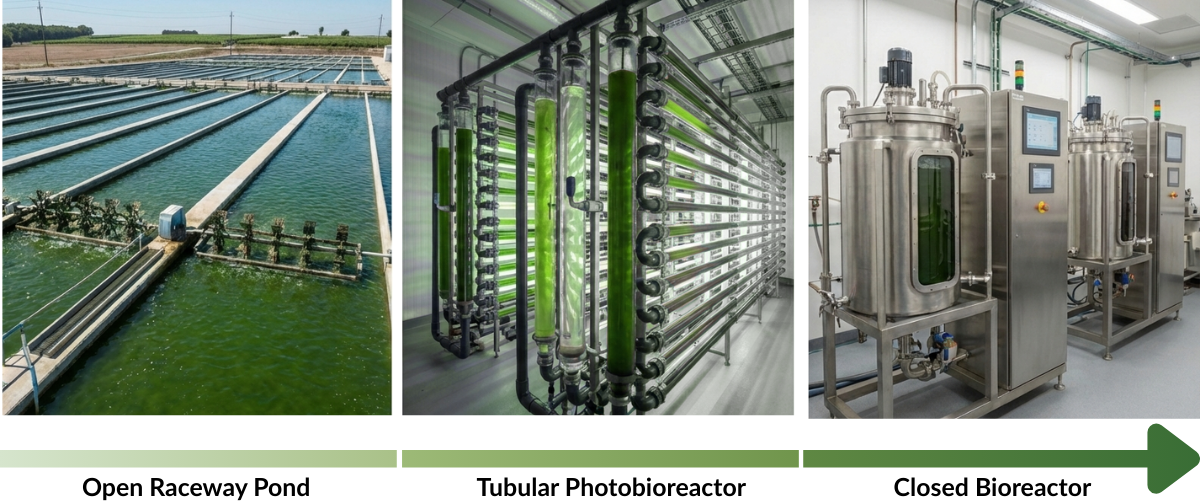
Advanced Closed Bioreactors vs. Open Ponds
Stuck in the Past
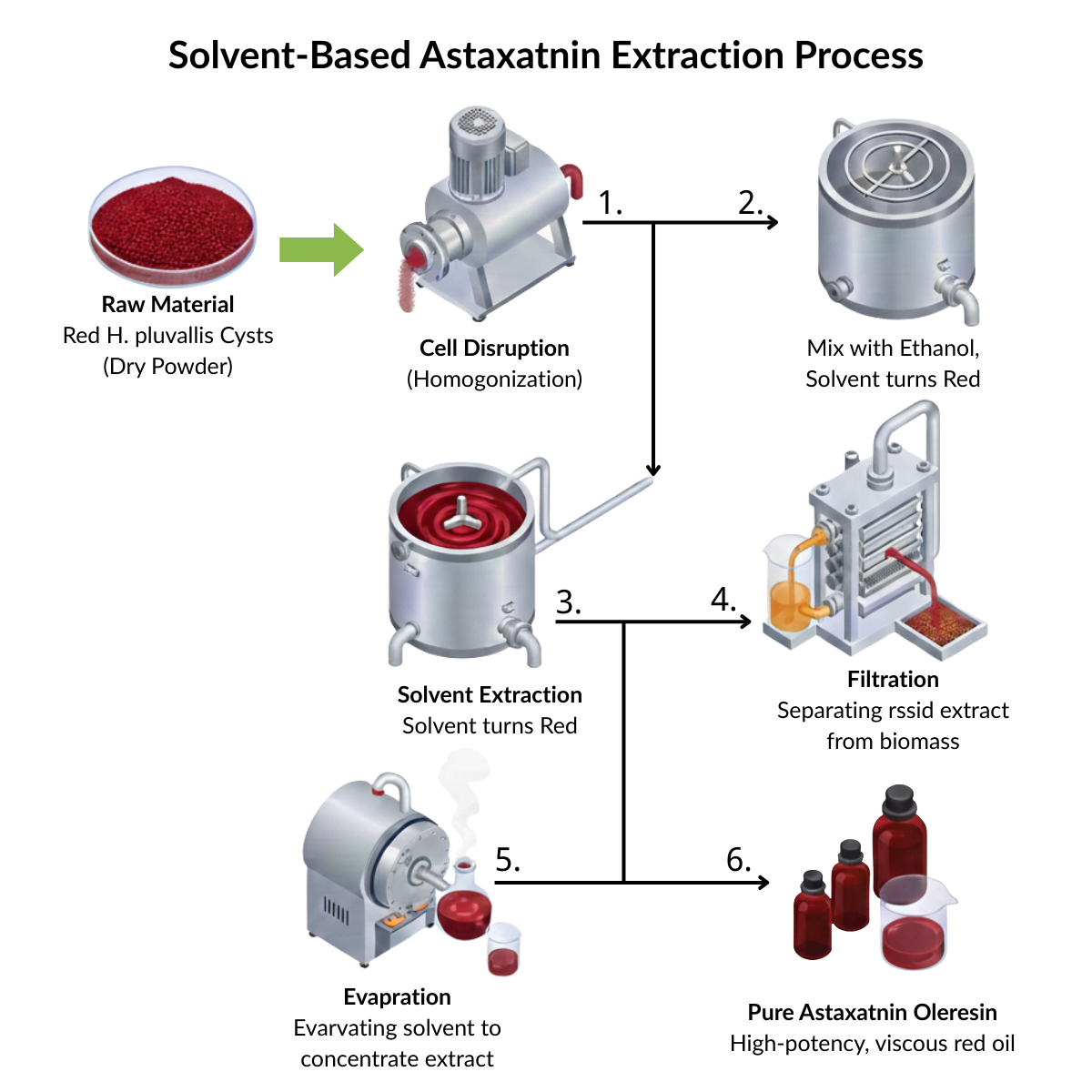
Traditional Solvent-Based Extraction
For many years, astaxanthin has commonly been extracted using solvent-based extraction methods. This process relies on organic chemical solvents such as ethanol or hexane to dissolve and separate astaxanthin from microalgae biomass.
While this approach is widely used due to its relatively low cost and established processes, it is largely dependent on chemical solvents and high-temperature steps, which can impact both product purity and environmental sustainability.
Our Solution
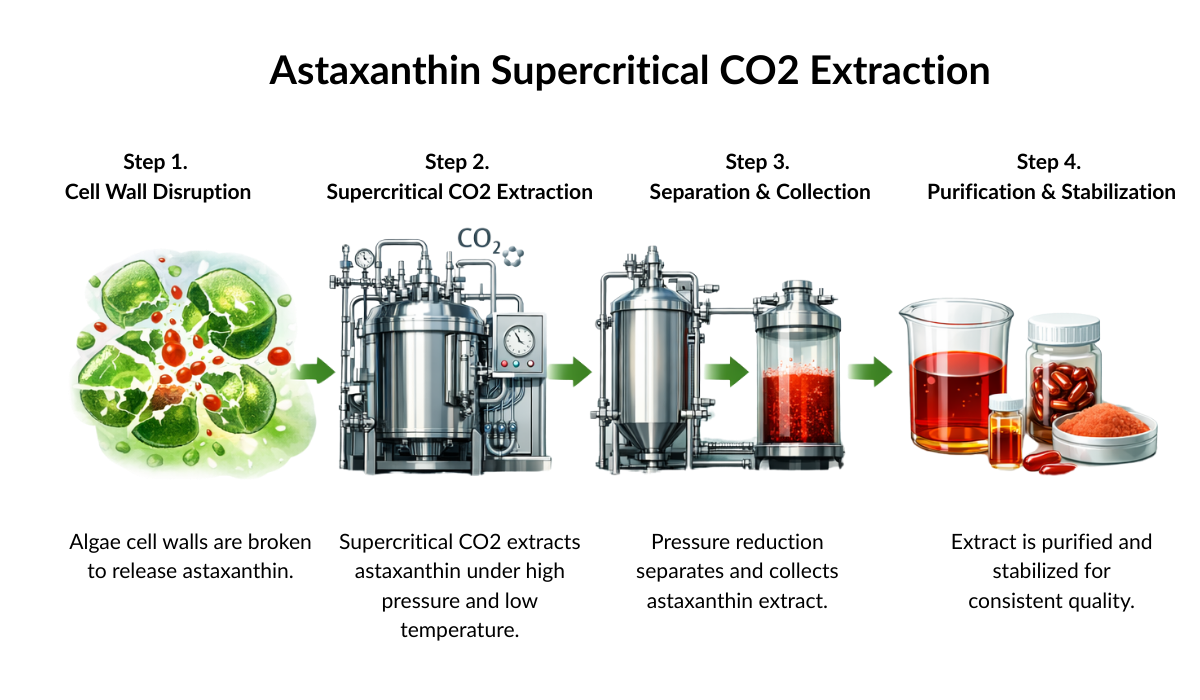
Supercritical CO₂ Extraction
At Iconthin, we adopt Supercritical CO₂ Extraction, a cutting-edge, solvent-free technology recognized as one of the cleanest and most advanced extraction methods available today.
By using carbon dioxide in its supercritical state, we are able to extract astaxanthin with exceptional precision—without chemical solvents or excessive heat.
Solvent-Free & Clean
CO₂ naturally evaporates after extraction, leaving zero solvent residue.
Maximum Potency Preserved
Low-temperature processing protects the molecular integrity and bioactivity of astaxanthin.
High Purity & Selectivity
Targeted extraction results in a cleaner, more concentrated final ingredient.
Environmentally Responsible
CO₂ is recyclable, non-toxic, and significantly reduces environmental impact.